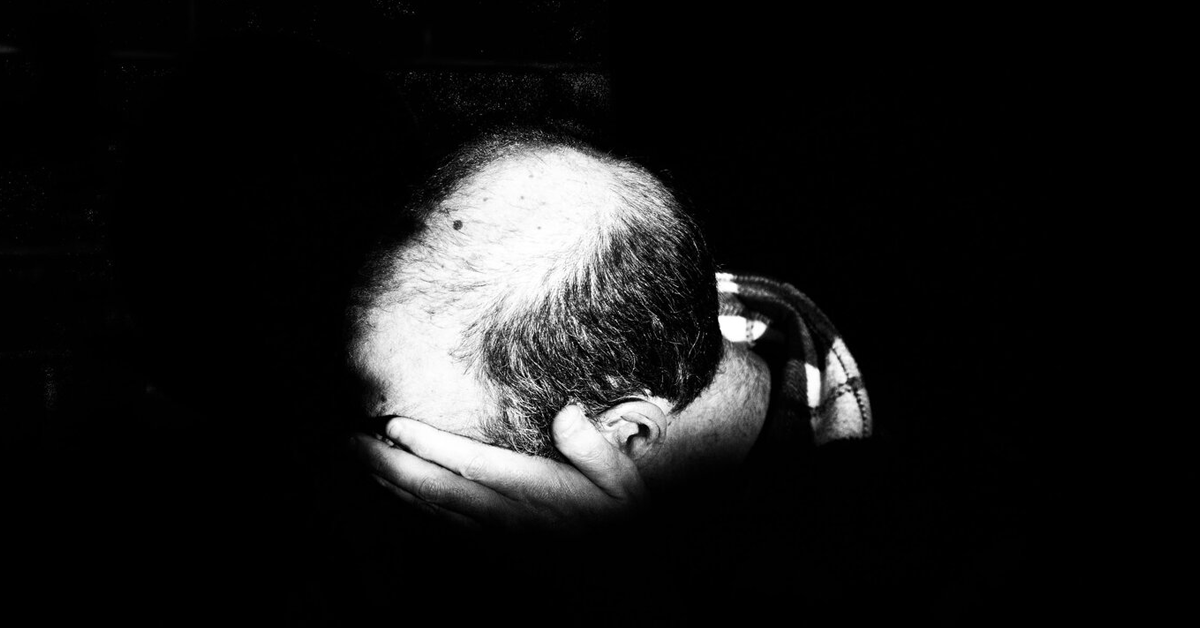
The stigmatization of addition is still rife. Not just in the general public domain but also with individuals who have an addiction. The misconception of addiction which carries huge amounts of shame often is a barrier to becoming better. A large part of addiction treatment is psychoeducation i.e. raising the awareness of addiction being a disease and like some other diseases, it can be treated.
Many people will admit they are an addict or alcoholic but their conceptualization of what this is will be based on a misconception of addiction. So if your understanding of the problem is flawed, then the solution you will apply will not work. We often see this when people eventually seek addiction treatment as they have exhausted all their solutions but the problem continues. One of the misconceptions is that the problem is, that they are weak-willed. So the solution is to become stronger and then they will be able to stop or use with control. And when they cannot achieve this it reinforces their sense of failure and shame perpetuating the using. Another misconception is that I am fundamentally flawed, rotten to the core and cannot get better. This is a hopeless state to be in so why try to get better. These beliefs are deep-rooted and just an intellectual understanding of what addiction is will not change them. It takes time to change these core beliefs about yourself and your using/drinking. It starts with an intellectually understanding of the disease of addiction and how it manifests and after some time this understanding will be internalized and you will have a new perspective of yourself and your addiction. Often this new perspective dissipates the shame and sense of failure once felt about your addiction.
Have you run out of solutions? are you feeling ashamed and a sense of failure about not being able to control your using or drinking.
SHARING IS CARING