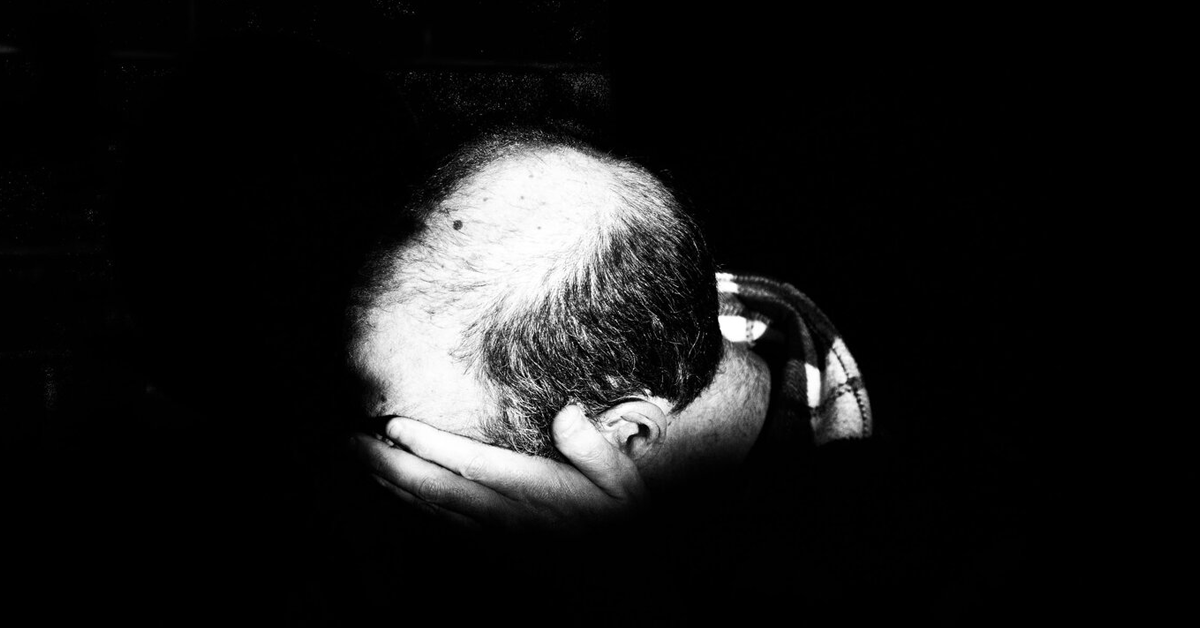
Loss of control/impaired control over the consumption of mind and mood-altering substances or behaviours are at the root of the addiction. This suggests that the choice to use is removed. This distinguishes individuals with the disease of addiction from recreational/heavy drinkers and users. The lack of choice over consumption of substances is often the most difficult aspect of addiction for the afflicted person and their loved ones to make sense of and accept. This implies that people with an addiction cannot stop. They might not use for a few days but they cannot stay stopped. When they are faced with needing to stop due to the adverse consequences of addiction, they are forced to face this reality. They are faced with needing to stop but not wanting to stop. It is not as simple as wanting to stop. Because deep down is a belief that they can’t stop or stay stopped. Often the addict is so ashamed and scared of this reality that they will not dare express it. They often then compensate for this by making excuses for not being able to commit to continued abstinence.
An example of this is making excuses for committing to an inpatient treatment programme or any suggestion that requires a commitment to absolute abstinence. The excuses are often not lies but real circumstances that would make it difficult to commit to a process of getting better. However, these circumstances were not considered when they were in active addiction. When they feel safe enough to become honest they admit that they are too fearful of stopping and or believe that they cant and do not want to deal with the disappointment when they relapse. This is the reality of addiction, it is powerful. This conflict of knowing I need to stop but don’t believe I can, erodes the self-esteem of many in active addiction.
We often demand a commitment to stop from these individuals however the reality is that they are not able to. This then leads to compliance where they say what you want to hear, which is dishonest. With self-deception being such an integral part of addiction, honesty with self and those around you becomes a vital part of getting better. Having a safe space, to be honest, and say the unsayable helps in the process of recovery from the disease of addiction. Often the best addicts can commit to, is wanting to want to stop.
This type of honesty places them in the best position for their motivation to shift to honestly wanting to stop.
If you are wanting to want to stop, well done for stopping the bullshit and being real!!!!!
SHARING IS CARING