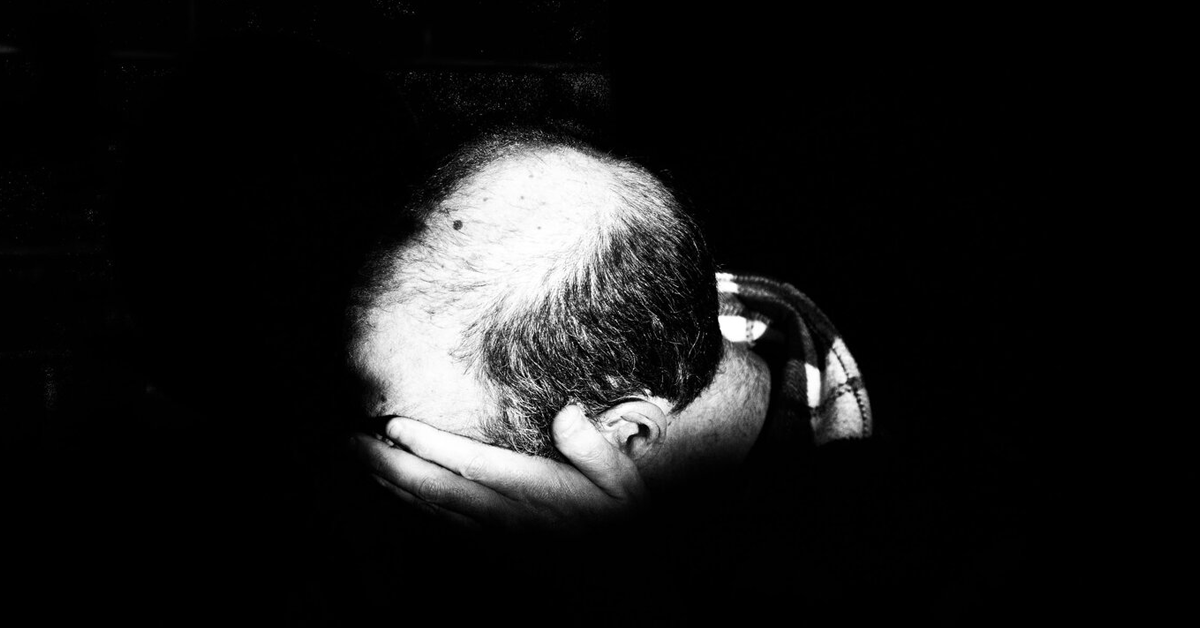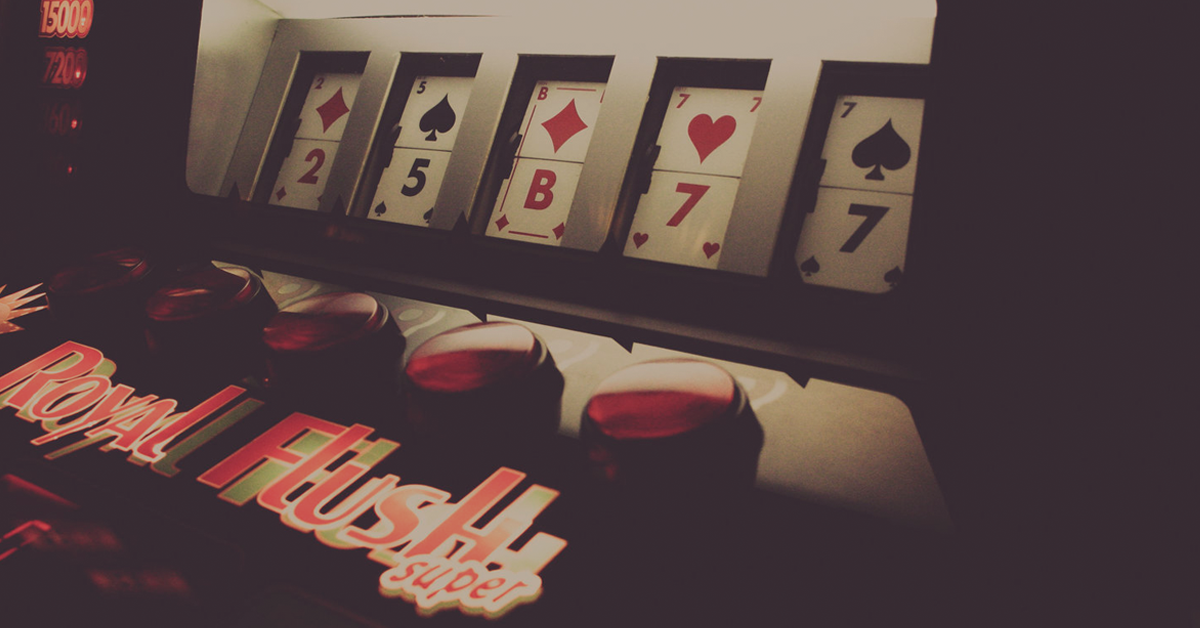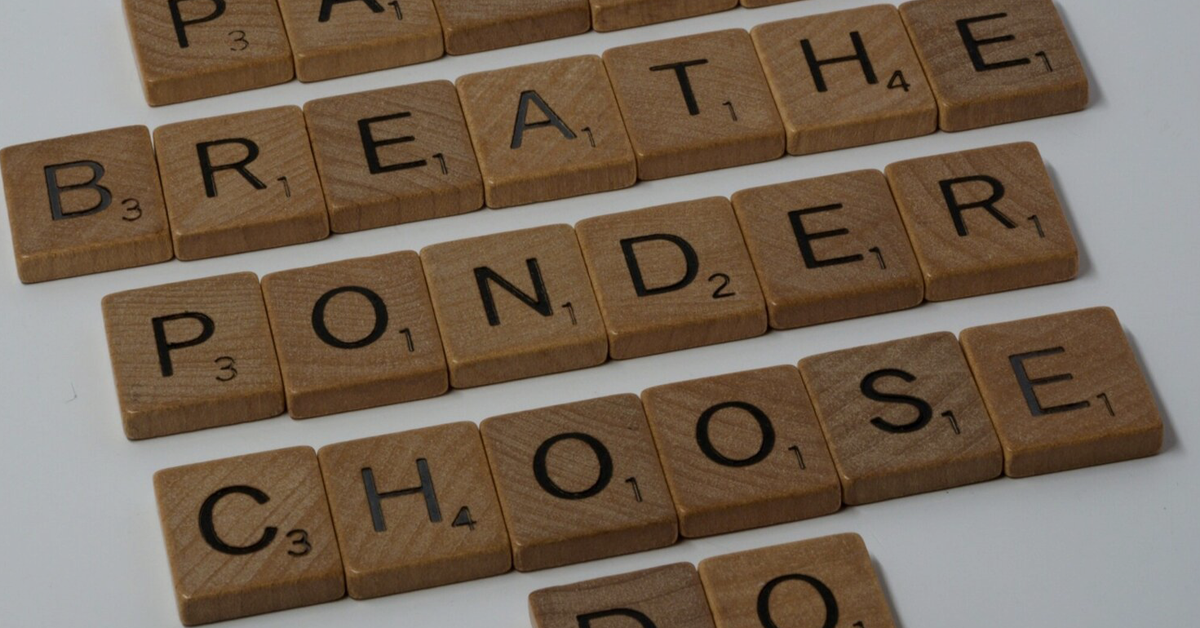
At the core of addiction is the phenomena of loss of/ impaired control over the consumption of mind and mood-altering substances or mind and mind-altering behaviour. No one would like to admit that some aspect of their behaviour is out of control. Thus the process of needing to convince one’s self that you have control begins. Addicts find creative ways to convince themselves that they are not that bad. Even when there is some concession of having a problem they would then want to control how the solution to that problem is administered. e.g. When inpatient treatment is suggested, often we experience resistance to this recommendation.
How does one make sense of this resistance? When a family seeks help for a loved one, who they are concerned about with regards to their drinking or using. After an assessment treatment is recommended, what would the reason be that the addict would be resistant to it? Often an array of reasons would be given as to why they cannot do the recommended treatment. Sometimes these reasons are valid, however often the resistance is to the inconvenience of treatment to their lives. I believe however what this suggests is that the addict believes that they can stop on their own, thus they have not lost that much control. Or that they do not want to stop. This obsession of trying to control something that is out of control is destructive to the addict and the people around them, it is such a powerful drive which defies reason and logic and sadly is lethal. Once the addict understands that they are not being asked to give up control, however, to give up the illusion of control as they never had control in the first place.
Being grounded in this reality is vital to recovery.
SHARING IS CARING