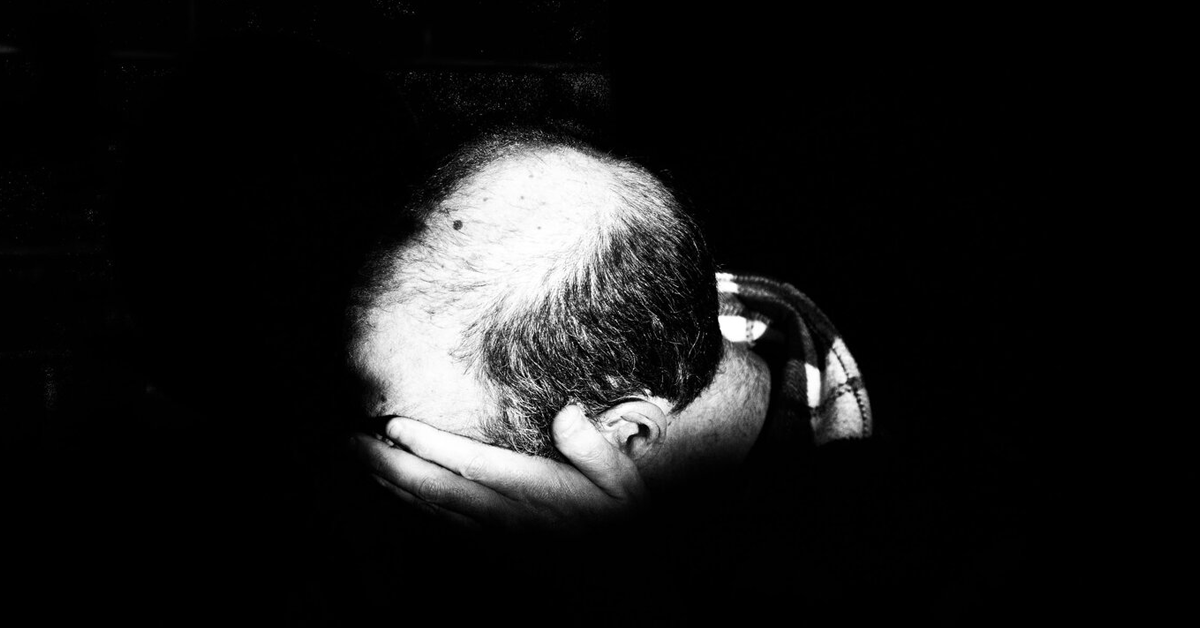
SITTING ON THE FENCE

Ambivalence is the state of having mixed feelings or contradictory ideas about something. During this state, it is impossible to make a decision.

We find that addicts in active addiction are in a state of ambivalence. The ambivalence is about whether they have a problem with their drug of choice. To complicate matters, the defence mechanism of denial is present in active addiction, which skews reality, making it virtually impossible to resolve the addict’s ambivalence.

So what are the contradictory thoughts keeping addicts in a state of ambivalence? On the one hand, you have the facts regarding the adverse effects of addiction e.g the hurt and pain caused to self and loved ones and despite this continuing to use the drug of choice. This is strong evidence that the person’s using is out of control. The addict doesn’t like to look at these facts however, they are too obvious to deny. Loved ones are often constantly reminding the addict of the addiction problem. What is the contradictory argument then, there is often a secondary gain or payoff the addict receives from the addiction? The obvious is the intoxication which can be pleasurable. The not so obvious to others and sometimes the addict as well is how the addiction serves as a maladaptive coping mechanism for the addict. This could be an emotional and psychological coping mechanism. Sometimes depending on the severity of the addiction, it helps the addict function, i.e if they do not use a certain amount of their drug of choice they suffer from withdrawal and renders them incapable of doing much. So they believe that their using helps them to function, which is a distortion of reality. The belief that they will not cope with life is a common belief of addicts, however often they are too ashamed to admit it to themselves or others. These beliefs build a case for continuing to use. It begs the question then, an addict who believes this and continues to use, are they sitting on the fence of stopping, or by not choosing to stop, is that in itself a choice to carry on.

If so they are then too ashamed to admit that they have chosen to carry on using or they are too afraid of how their loved ones will respond to this declaration, and thus the manipulation and the games continue.

In my opinion, making an informed decision and taking responsibility for that decisions is the goal of an addiction treatment process, no matter what the decision. So helping people resolve their ambivalence i.e get off the fence and choose a side is a fundamental part of any addict seeking clarity about their addiction. This is evident in the programme of the fellowship of Alcoholics Anonymous were in Step 1 you identify the problem Step 2 you believe there is a solution for you and Step 3, with the knowledge of the first two steps you can make an informed decision, “Made a decision to ….” about returning to the problem or seeking the solution. And once you have chosen the solution, you take responsibility for your decision, by being thrown into the action of the rest of the steps.

One can remain on the fence, in a state of ambivalence for ages, some people for decades. Straddling a fence can be uncomfortable and painful.

Get off the fence!

SHARING IS CARING

Let’s talk

For counselling, assessments & recommendations and interventions contact me.

Available for Skype, FaceTime, Google Hangouts, WhatsApp Video Calls.

LEIGH PETERSEN

Addiction Specialist

Email: leigh@silaphasoap.co.za
Cell: 082 339 9648

More  Blogs

MISCONCEPTIONS OF ADDICTION

The stigmatization of addition is still rife. Not just in the general public domain but also with individuals who have an addiction. The misconception of addiction...

RESTLESSNESS IRRITABILITY AND DIS-CONTENTEDNESS (R.I.D)

Addiction robs one of many things, tangible and material things and intangible like our morality, value boundaries, hope and purpose. I have heard many individuals in...

FEAR OF STOPPING

One of the criteria for addiction is to continue to use a drug/behaviour of choice despite negative consequences. This is one of the most frustrating aspects of...

BARGAINING

The denial component of the disease of addiction is primarily regarding the amount of control over the consumption of the substance or behaviour of choice. An example...

NOT Y.E.T.

There is a theory that for one to be truly open for recovery from an addiction, one needs to hit rock bottom first. There has also been a concerted effort made into...

WANTING TO WANT TO STOP.

Loss of control/impaired control over the consumption of mind and mood-altering substances or behaviours are at the root of the addiction. This suggests that the choice...

RESISTANCE

At the core of addiction is the phenomena of loss of/ impaired control over the consumption of mind and mood-altering substances or mind and mind-altering behaviour. No...

RECOVERY AND RELAPSE

Addiction is described as a chronic relapsing condition and we see this in the majority of people who are attempting abstinence from their drug of choice. Although...

SACRIFICE TO RECOVER

I am reminded daily about the misconceptions out there with regards to addiction. Firstly the preconceived ideas about what addiction is and then what the solution is...

ADDICTION A PROGRESSIVE AND DEGENERATIVE CONDITION

Addiction is a progressive and degenerative disease. It becomes worst over time. I have observed this progression in individuals who have remained in active addiction...

PROTECTING THE ADDICTION

Families and loved-ones of addicts and alcoholics are shocked when they become aware of the extent of the addicts using and the adverse consequences thereof. This is...

ABSTINENCE VS CONTROLLED USE

The majority of people who use alcohol and mood or mind-altering substances are what we call recreational users. They are capable of using these substances with...

COPING MECHANISM VS ADDICTION

I have heard many reasons why people started using mind-and-mood-altering substances. They range from escaping reality, coping with trauma, social lubricant, managing...

“I DON’T WANT TO STOP” WHAT NOW?

It is one of the most painful experiences to watch a loved one, child, sibling or parent slowly kill themselves through there addiction to drugs and alcohol. One cannot...

BAD VS SICK

In this day and age, the stigmatization of mental illness is still prevalent. This includes the illness of addiction. Some of the attitudes towards addiction e.g....

GRIEVING YOUR SUBSTANCE

Addiction is a progressive disease with different degrees of severity. The trajectory of severity depends on various factors, e.g. the substance and comorbid disorders...

GAMBLING ADDICTION

Behavioural (Process) additions are as destructive as an addiction to a substance. Examples of the behavioural addictions are Gambling, Gaming, Pornography, Sex and...

PATTERNS OF CONSUMPTION

The general public has their perception of what addiction looks like. People with addiction who are in denial also have a misconception what addiction looks like,...

SPLITTING

One of the methods addicts use to manipulate their significant others is though splitting the alliance these people are making against the addict's addiction. The...

BELIEFS WHICH KEEP YOU STUCK

We all have core beliefs formulated from our past experiences, passed on to us by our family system, and other factors from the past. Most of the time these beliefs are...

THE DISEASE OF FORGETFULNESS

Addiction has been described as a disease which tells you that you do not have the disease. This means that part of having the disease is believing that you do not have...

CROSS ADDICTION

More and more we experiencing individuals who have concurrent addictions. This means that they have several drug of choices, often the substances and or behaviours...

ADJUSTMENT

As mentioned in my previous post, people close to the addict often do not have access to the support and help which the addict has when they enter into recovery. They...

BEING RESTORED TO SANITY

Living in active addiction distorts our perception of reality. Being in denial of our addiction for years entrenches our denial system. Our thinking is geared to...

DENIAL IN THE FAMILY SYSTEM

We are more familiar with the denial system of the addict, which served to protect addicts against the painful reality of their lives. But we are less familiar with the...

Pin It on Pinterest